NW6 rubbish removal guide for Kilburn households
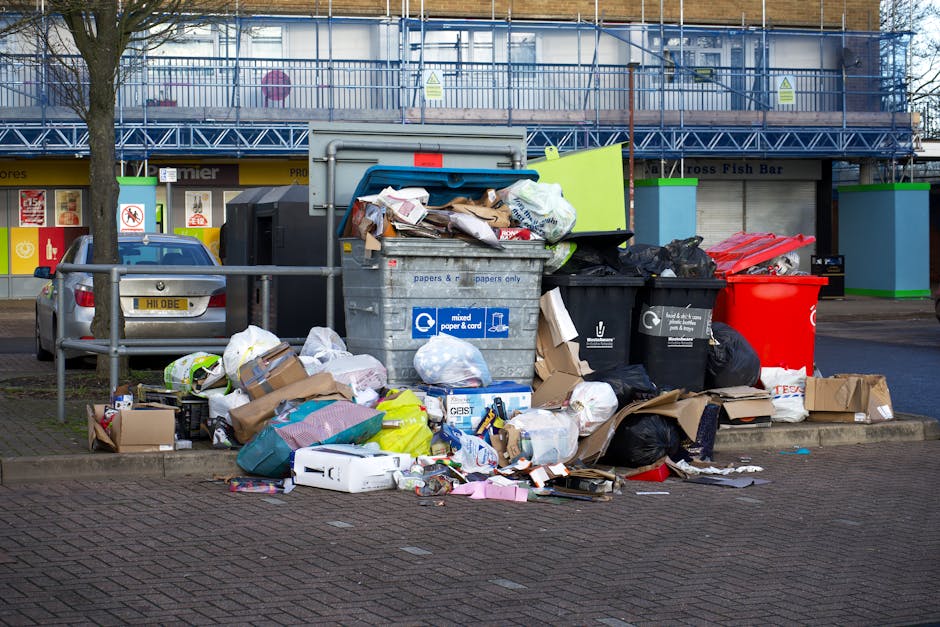
If you live in Kilburn and the rubbish is starting to take over the hallway, the spare room, or that awkward corner by the front door, you are not alone. Flat moves, loft clear-outs, broken furniture, old appliances, garden waste, and the endless "I'll sort that later" pile can build up fast in NW6. This NW6 rubbish removal guide for Kilburn households is here to make the whole thing feel less messy, less stressful, and a lot more manageable.
Whether you are clearing a studio flat, a family home, or just one stubborn pile of unwanted items, the trick is knowing what to move, what to separate, and what service makes the most sense. A good rubbish removal plan saves time, reduces hassle, and helps you avoid the classic mistakes that turn a simple clear-out into a long weekend of bad lifting and bigger bins. Let's make it practical.
Why NW6 rubbish removal guide for Kilburn households Matters
Kilburn households face a very London kind of problem: space is tight, access can be awkward, and rubbish tends to accumulate faster than you expect. One bulky item can block a hallway. A couple of bags can quickly become a tower. Before long, the home starts to feel heavier, noisier, and less usable. Truth be told, clutter does not just look untidy; it changes how a home works day to day.
Rubbish removal matters because it gives you back room to breathe. It also helps when you are dealing with practical pressure points like a move-out, a tenancy change, a renovation, or a family clear-up after years of built-up possessions. In a compact NW6 property, you notice the difference immediately. A cleared room feels brighter. A cleared entrance feels calmer. Even the sound of footsteps changes a bit when the path is finally clear.
There is also a safety angle. Loose items, stacked bags, damaged furniture, and broken appliances are not just annoying. They can be trip hazards, fire risks, or simply a source of frustration when you are trying to keep a home tidy. If you need a fuller, property-wide tidy-up, services like home clearance or house clearance can be a cleaner fit than trying to tackle each item one by one.
How NW6 rubbish removal guide for Kilburn households Works
At a practical level, rubbish removal is about sorting unwanted items, deciding what should be reused or recycled, and arranging collection so the waste leaves your property quickly and responsibly. For households, that usually means a simple flow: identify the waste, separate any special items, get a quote or booking, prepare access, and have the items removed.
The smoother jobs are usually the ones where the household has already done a little bit of sorting. You do not need to become an expert, not at all. But you should know which items are general mixed waste, which are bulky, and which may need special handling. For example, old sofas, beds, and mattresses often sit in a different category from standard bagged rubbish, and fridges or freezers need appliance-aware handling. If those are on your list, the relevant pages for mattress and sofa disposal and fridge and appliance removal are worth understanding before collection day.
In many Kilburn homes, access is the real deciding factor. Narrow staircases, top-floor flats, shared entrances, permit restrictions, and limited parking can affect how a removal job is planned. That is why an upfront look at the job matters so much. You want the collection to be straightforward, not a three-act drama with one person holding a wardrobe on the landing while someone else goes hunting for the lift key.
Key Benefits and Practical Advantages
The obvious benefit is getting rid of junk. Fair enough. But the better benefits are the ones people feel a week later.
- More usable space: clearing old furniture, broken items, and bagged waste makes rooms feel functional again.
- Less stress: a proper removal plan stops rubbish from hanging around for weeks.
- Safer movement around the home: fewer obstacles mean fewer trips and fewer accidents.
- Better recycling outcomes: separating reusable or recyclable items can reduce landfill waste.
- Faster project completion: refurbishments, decorating, and moving become easier when waste is removed promptly.
- Less lifting for you: a professional collection reduces the physical strain of dealing with awkward, heavy items.
One of the less obvious advantages is decision relief. Household clear-outs create a surprising amount of mental friction. "Keep it? Bin it? Donate it? Wait, where did this even come from?" Once removal is arranged, that background noise starts to fade. You can think again, which sounds small, but it really does help.
If you are clearing a larger pile of mixed household items, waste removal is often the broadest route, while item-specific pages such as furniture clearance or garage clearance can be more efficient when the waste is concentrated in one category.
Who This Is For and When It Makes Sense
This guide is for Kilburn households that need a realistic, local approach to getting rid of rubbish without turning the house upside down. It is especially useful if you are in one of these situations:
- you are moving out and need the property cleared quickly
- you are handling a deceased estate or family home clear-out
- you have a loft, garage, or spare room full of unwanted items
- you are replacing furniture and need the old pieces taken away
- you have post-renovation debris or builder's waste
- you are dealing with mixed household rubbish and bulky items at the same time
- you simply want to reclaim space and reset the home
It also makes sense for flat owners and tenants in NW6 where access and timing matter. In a shared building, rubbish tends to be more visible and more annoying. One old mattress in a hallway can become everybody's problem very quickly. If you live in a flat, flat clearance is often the most direct fit, while a larger property may benefit from house clearance or home clearance.
And yes, sometimes the best time to book is before the clutter becomes "normal". That is usually the point where people stop noticing the pile. The pile is still there. It is just background scenery now, which is never a good sign.
Step-by-Step Guidance
Here is a clear, no-nonsense way to approach rubbish removal in Kilburn.
- Walk through the property. Make a list of what actually needs removing. Include hidden items in cupboards, loft spaces, under beds, and the back of the shed if needed.
- Separate the bulky items. Furniture, white goods, mattresses, and garden waste are easier to handle when grouped properly.
- Check for special waste. Batteries, paints, solvents, chemicals, and certain electrical items may need separate handling through hazardous waste disposal.
- Think about access. Note stairs, parking restrictions, loading access, locked gates, and whether someone needs to be present.
- Choose the right type of service. A single sofa does not need the same approach as a whole-property clear-out.
- Get a quote based on real volume. Photos help. So do honest descriptions. Better to be clear now than surprised later.
- Prepare the items. Where safe, move smaller items together and keep pathways clear for the collection team.
- Confirm what happens next. Ask how sorting, recycling, and disposal are handled so you know what to expect.
Here is a small but useful tip: if you are clearing several categories at once, do the obvious stuff first. Bagged rubbish, cardboard, and loose odds and ends usually go quickly. Then deal with furniture and appliances. By the time you get to the heavy awkward items, the job already feels smaller. Funny how that works.
Expert Tips for Better Results
A few practical habits make household rubbish removal smoother, cheaper-looking, and less stressful.
- Group by waste type before booking. It helps you choose the right service and avoids mixed loads being misjudged.
- Clear access first. Even ten minutes moving shoe racks, hallway clutter, or loose boxes can save a lot of time later.
- Take photos in daylight. A clear image is far better than a vague memory of "quite a lot, actually".
- Keep valuables and documents separate. If you are clearing a loft or cupboard, check before anything gets moved out.
- Plan for awkward items early. Mattresses, fridges, sofas, and wardrobes often need more thought than bags of waste.
- Be realistic about DIY lifting. If an item looks like a two-person job, it probably is.
In our experience, the best household clear-outs are rarely the fanciest ones. They are the well-prepared ones. A bit of sorting, a bit of honesty, and a collection window that fits the household rhythm. That is usually enough.
If you are comparing disposal methods, it can also help to review recycling and sustainability so you understand why separating items matters, even if the main goal is simply to get the place back in order.
Common Mistakes to Avoid
Most rubbish removal problems are avoidable. The same errors come up again and again.
- Leaving it until the last minute. Then the job feels larger, heavier, and more expensive in stress terms.
- Mixing hazardous items with general waste. That is one of the quickest ways to create a problem.
- Not measuring large items. A wardrobe, sofa, or fridge can be harder to remove than it looks.
- Assuming every service handles everything. Some items need specialist disposal or separate planning.
- Blocking access before the team arrives. It sounds obvious, but it happens all the time.
- Forgetting building rules. In flats, shared entrances and quiet hours matter more than people expect.
Another common mistake is underestimating how much is actually there. A loft looks innocent until you open the hatch. Then it all comes back to you, like a small archaeological dig you did not agree to. If your space has become a long-term storage zone, loft clearance or garage clearance may be a better route than piecemeal waste trips.
Tools, Resources and Recommendations
You do not need a toolkit worthy of a building site, but a few basics help enormously.
- Heavy-duty bin bags: for loose rubbish and soft waste.
- Gloves: useful for dusty lofts, old garages, and anything with sharp edges.
- Tape and markers: handy if you are labelling keep, donate, and remove piles.
- Measuring tape: good for checking bulky furniture and awkward hallways.
- Phone camera: to photograph waste for a quote or to record what is being taken.
- Strong torch: especially useful in lofts, sheds, and darker corners.
For households with mixed items, a page like what can go in a skip can also be helpful for understanding the boundary between acceptable general waste and items that need separate care. Even if you are not hiring a skip, the category thinking is still useful.
And if you are dealing with white goods or broken appliances, do not just drag them to the kerb and hope for the best. It sounds blunt, but it is worth saying. Plan appliance removal properly, especially for heavier items with wiring, refrigerant, or sharp metal edges.
Law, Compliance, Standards, or Best Practice
Household rubbish removal in the UK should be handled with care, particularly where disposal responsibility, transport, and recycling are concerned. You do not need to memorise legislation, but you should expect any removal process to follow sensible legal and environmental practice.
In plain English, that means waste should be handled by people who know where it is going, that certain items require special treatment, and that disposal should not be treated as a casual dump-and-go exercise. If a service is moving waste away from your property, it is reasonable to expect professional handling, appropriate sorting, and a sensible approach to recycling and disposal.
For householders, the practical takeaway is simple: keep hazardous materials separate, be honest about what you have, and ask questions if you are unsure. If the job includes chemicals, paints, electrical waste, or anything that feels a bit questionable, separate it early and flag it clearly. That is the safer way, no drama needed.
You can also review service information such as health and safety policy, insurance and safety, and payment and security if you want reassurance about how a professional operator approaches the work.
Options, Methods, or Comparison Table
Different household clear-out jobs suit different methods. The right choice depends on volume, access, item type, and how much effort you want to spend yourself.
| Method | Best for | Pros | Trade-offs |
|---|---|---|---|
| Bag-it-yourself and leave for collection | Small, light, non-urgent rubbish | Simple and low effort upfront | Can be slow, messy, and limited by bin capacity |
| Skip hire | Projects with a steady flow of waste | Good for ongoing clear-outs and renovation debris | Needs space, loading discipline, and planning |
| Man and van rubbish removal | Mixed household waste, bulky items, quick clear-outs | Fast, flexible, and useful for awkward access | Less ideal for long-running projects with lots of repeated waste |
| Room-by-room professional clearance | Lofts, garages, whole homes, probate, moves | Efficient and thorough | Requires clearer planning and a more detailed brief |
For many Kilburn households, the best fit is a flexible clearance service that can handle mixed items and awkward access without forcing the family to do all the heavy lifting. If the job is more specific, a focused service like furniture disposal or house clearance may be more efficient.
Case Study or Real-World Example
A typical Kilburn scenario goes something like this. A household has been slowly filling a spare room with items they meant to sort out "after the weekend". There is an old armchair, two broken bedside tables, half a dozen bin bags, a mattress leaning by the wall, and a few boxes of mixed bits from a move that happened months ago. Nothing extreme. Just enough to be annoying every time the door opens.
Instead of trying to do everything in one exhausting push, the household sorts the room into three rough groups: keep, remove, and unsure. The unsure pile is checked once more. A quick photo is taken. Access is cleared so the hallway is usable. On collection day, the room is emptied in one visit, and the family can finally use it again as a workspace and guest room.
The nicest part is not even the empty room. It is the quiet. No more staring at the pile while making tea. No more stepping sideways around boxes. Just a room that does what it is meant to do. Small win, but a real one.
For households dealing with mixed property clutter, it can help to see the job as part of a broader tidy-up rather than just waste disposal. That is where services such as furniture clearance, home clearance, and flat clearance often make the most sense.
Practical Checklist
Use this checklist before booking or on the morning of collection.
- Identify all items that need removing
- Separate reusable items from waste
- Set aside anything hazardous
- Check whether appliances or mattresses are included
- Measure bulky furniture if access is tight
- Clear hallways, stairs, and doorways
- Confirm parking or loading access
- Take a few clear photos if needed for quoting
- Keep documents, valuables, and personal items safe
- Review the booking time and any collection notes
If you want to prepare well, this list is usually enough. No fancy system required. Just a calm, sensible pass through the property.
Get a free quote today and see how much you can save.
Conclusion
Rubbish removal in Kilburn is rarely just about rubbish. It is about reclaiming space, reducing stress, and making a home feel workable again. Once you understand what needs moving, what needs special handling, and how access affects the job, the whole thing becomes much easier to plan.
The best approach is usually the simplest one: sort honestly, separate awkward items, prepare access, and choose a service that fits the type of waste rather than forcing everything into one box. A tidy home in NW6 does not happen by accident. But it can happen without much fuss, and that is the good news.
One cleared room can change the mood of the whole house. Funny how powerful that is, really.
Frequently Asked Questions
What does rubbish removal usually include for Kilburn households?
It usually includes the collection and disposal of general household waste, bulky items, unwanted furniture, and mixed clutter. Depending on the job, it may also include sorting for recycling and separate handling for special items.
Is rubbish removal better than hiring a skip for a flat in NW6?
Often, yes, especially if access is tight or you do not have space for a skip. Flats in Kilburn can be awkward for loading, so a collection-based service is often more practical than a skip sitting outside for days.
Can old sofas and mattresses be taken away?
Yes, but they are usually handled as bulky items rather than general bagged waste. If those are the main items, it helps to use a service that specifically deals with mattress and sofa disposal.
What should I do with broken appliances like fridges or freezers?
Keep them separate and mention them clearly when arranging collection. Appliances can contain components that need more careful handling, so they should not just be mixed in with general rubbish.
How do I prepare my home before a rubbish removal team arrives?
Clear hallways, separate items into rough categories, move personal belongings out of the way, and make sure access is straightforward. A few minutes of preparation can save a lot of time on the day.
What happens if some of my waste is hazardous?
Hazardous items should be separated and flagged before collection. Paints, chemicals, batteries, and similar materials may need specialist handling through hazardous waste disposal.
Can rubbish removal help with a full flat clearance?
Yes. If the whole property needs clearing, a more complete service such as flat clearance is often the better fit than a small one-off collection.
How do I know whether I need home clearance or house clearance?
In everyday use, the terms overlap quite a bit. The choice usually comes down to the size of the property and how much needs removing. A larger or multi-room job may suit house clearance, while smaller, mixed jobs can suit home clearance.
Do I need to sort everything before booking?
No, not perfectly. But a basic sort makes the job more efficient. Separate obvious waste from keepers, and put aside anything special like appliances, mattresses, or hazardous materials.
What if I am clearing a loft or garage full of mixed items?
That is very common. In that case, loft clearance or garage clearance is often the most sensible route, because the work tends to be bulky, dusty, and a bit oddly shaped.
How can I make sure the removal is handled responsibly?
Ask how waste is sorted, whether recyclable items are separated, and how awkward items are handled. Also check the company's information on recycling and sustainability if that matters to you.
When is the best time to book rubbish removal?
Before the clutter gets in the way of normal life. If you are moving, renovating, or just tired of looking at the same pile every morning, earlier is usually better. A tidy schedule makes the whole thing calmer, and honestly, calmer is underrated.