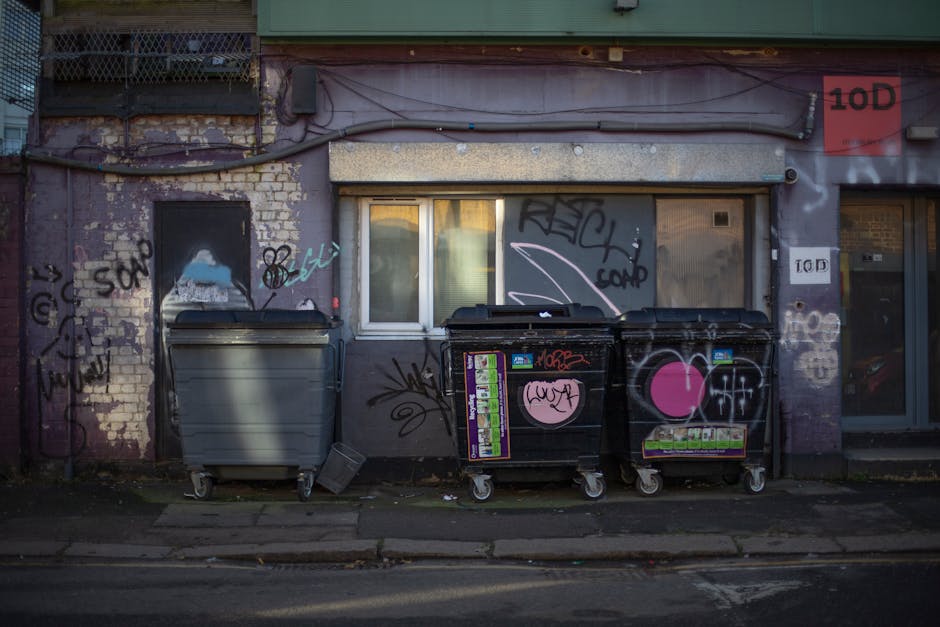
Kilburn High Road shop rubbish collection solutions
If you run a shop on Kilburn High Road, rubbish has a habit of building up faster than you expect. One delivery day, a display refresh, a burst box backlog, a broken shelf, and suddenly the back room feels smaller, the stockroom gets awkward, and the bins are overflowing before lunchtime. That is where Kilburn High Road shop rubbish collection solutions really come into their own: they help keep your shop clear, compliant, and ready for customers without turning waste into a daily headache.
This guide explains how shop rubbish collection works, what it is best for, how to choose the right approach, and which mistakes to avoid. It also covers practical planning, common retail waste streams, compliance considerations, and a realistic step-by-step method you can use straight away. Let's face it, in retail, a cluttered storage space is not just untidy - it slows people down and quietly costs money.
Contents
- Why Kilburn High Road shop rubbish collection solutions Matters
- How Kilburn High Road shop rubbish collection solutions Works
- Key Benefits and Practical Advantages
- Who This Is For and When It Makes Sense
- Step-by-Step Guidance
- Expert Tips for Better Results
- Common Mistakes to Avoid
- Tools, Resources and Recommendations
- Law, Compliance, Standards, or Best Practice
- Options, Methods, or Comparison Table
- Case Study or Real-World Example
- Practical Checklist
- Conclusion
- Frequently Asked Questions
Why Kilburn High Road shop rubbish collection solutions Matters
Kilburn High Road is busy, visible, and constantly moving. That is good for trade, but it also means waste can become obvious very quickly. A few cardboard stacks by the till, a torn-off fitting room rail, or a discarded appliance in the back yard can make a shop look tired before anyone has even stepped inside. Customers notice. Staff notice too.
Good rubbish collection is not just about tidiness. It affects the working rhythm of the shop. When waste is stored badly, it gets in the way of restocking, creates trip hazards, attracts pests, and makes delivery areas awkward to use. If you have ever had to shift three bin bags just to get to a stock cage, you will know exactly what that feels like. Annoying. And avoidable.
There is also the wider issue of responsibility. Shop waste is rarely all one thing. You may have packaging, damaged fixtures, old shelving, out-of-date promotional material, broken appliances, and occasionally confidential paperwork mixed in. Some items are straightforward; others need special handling. That is why a planned collection solution is so useful. It keeps the mess under control and helps you separate routine retail rubbish from items that need specific disposal routes.
For many independent retailers, the main challenge is time. Staff are busy serving customers, unpacking stock, and doing a hundred small jobs before closing. Rubbish management gets pushed to the side until it becomes urgent. A reliable collection plan stops that last-minute panic. It turns waste removal into a process, not a fire drill.
Expert summary: the best shop rubbish collection solution is the one that fits your waste type, your opening hours, your back-of-house space, and your need for speed. Convenience matters, but so does the right handling method.
How Kilburn High Road shop rubbish collection solutions Works
In practical terms, shop rubbish collection usually starts with identifying what needs removing and how often it builds up. Some shops need regular collections for cardboard and packaging. Others only need one-off clearances after a refit, stockroom tidy-up, or seasonal change. Many need a mix of both.
The process normally follows a simple pattern:
- Assess the waste type. Separate general rubbish from recyclable material, bulky items, electricals, and anything potentially hazardous.
- Estimate the volume. Think in terms of bags, boxes, or load size rather than just "quite a bit". That small habit helps avoid over- or under-booking.
- Choose the collection method. Some jobs suit full waste removal, others fit a furniture clearance or appliance removal service better.
- Prepare the items for pickup. Keep access clear, flatten boxes where possible, and group similar waste together so the collection is faster.
- Schedule around trade hours. Early morning, late evening, or quieter periods often work best for shops on a main road.
- Ensure responsible disposal. Reusable items, recyclables, and regulated waste should be handled appropriately rather than bundled together and forgotten about.
That last point is worth pausing on. A decent provider does not simply haul everything away and hope for the best. They should be able to deal with mixed retail waste in a sensible way, with recycling and onward processing where possible. If your shop is disposing of display furniture, shelving, or damaged stock, you may also want to look at furniture disposal or furniture clearance depending on what needs removing.
For businesses with regular waste, a broader business waste removal approach can make more sense than ad hoc collection. For one-off, heavier, or mixed loads, a general waste removal service is often the cleaner route.
Key Benefits and Practical Advantages
The obvious benefit is getting rid of rubbish. But the real value goes well beyond that.
- Better presentation: a clean stockroom and loading area make the whole shop feel more organised.
- More usable space: clearing old packaging, damaged fixtures, and dead stock frees up square footage you already pay for.
- Safer working conditions: fewer trip hazards, less clutter, and easier access to exits and walkways.
- Faster restocking: staff can move goods in and out without navigating piles of waste.
- Less stress: no more "we'll sort that out later" turning into a wall of cardboard by Friday afternoon.
- Better waste separation: recyclable material and special items can be routed correctly.
- Reduced disruption: with the right timing, collections can happen with minimal interruption to trading.
There is also a subtle customer-facing advantage. People may not see the back room, but they do feel the result. A tidy shop tends to run more smoothly, and that usually shows at the counter. Staff are less flustered, the service feels sharper, and the environment simply works better. Small thing? Maybe. But in retail, small things add up.
If your shop often receives bulky deliveries, it can help to pair rubbish collection with an ongoing plan for packaging, old display items, and occasional bulky disposals such as fridge and appliance removal or mattress and sofa disposal where those items are part of your premises or stock handling.
Who This Is For and When It Makes Sense
Not every shop needs the same setup. A small boutique, a convenience store, a salon with retail displays, and a high-turnover charity shop will each produce waste in different ways. Kilburn High Road shop rubbish collection solutions are useful for any business that wants a reliable way to manage commercial waste without letting it pile up.
This is especially relevant if you are:
- refreshing your shop layout or changing fixtures
- dealing with old packaging after regular deliveries
- clearing stockroom clutter that keeps getting pushed aside
- disposing of damaged shelving, rails, counters, or display units
- updating furniture or appliances in staff areas
- closing, relocating, or downsizing a retail unit
- managing mixed waste from a busy front and back-of-house operation
It also makes sense when your waste is too bulky, too irregular, or too awkward for standard bins alone. If a bin collection contract handles the everyday stuff but leaves you with occasional piles of bulky rubbish, that gap needs a proper solution. A one-off collection can be the cleanest answer.
Some businesses also have broader clearance needs beyond the shop floor. If the premises include storage areas, upper rooms, or old stock archives, related services such as loft clearance, garage clearance, or office clearance may be relevant too. Truth be told, retail waste often lives in more than one corner of the building.
Step-by-Step Guidance
If you want the process to run smoothly, a bit of preparation helps a lot. Here is a practical method that works well for most shops.
- Walk the site first. Look at the stockroom, rear access, till area, and any upstairs or back-room storage. Make a note of what is actually there, not what you hope is there.
- Sort waste by type. Cardboard, plastics, broken fixtures, electrical items, furniture, and hazardous material should be kept separate where possible.
- Identify awkward items. Large counters, shelving, broken appliances, or sharp debris may need special handling.
- Clear a route. Make sure the team can reach the waste without squeezing past stock or display units.
- Set a time window. A quiet morning, pre-opening slot, or short off-peak period usually works best for a shop on a busy road.
- Ask how items will be handled. If you need recycling, secure disposal, or careful separation, say so up front.
- Keep records where needed. For business waste, it is sensible to retain collection details and any relevant paperwork.
If the job includes items that need responsible disposal rather than general waste handling, options like hazardous waste disposal may be more appropriate. And if the task is essentially a mixed retail tidy-up, a broader home clearance style approach is not the right fit, but a comparable all-in-one clearance mindset can still help you organise the job better.
One small tip from experience: take five minutes to photograph what needs removing before the team arrives. It saves a lot of "oh, we forgot that bit" conversations later. Slightly boring? Yes. Useful? Very.
Expert Tips for Better Results
The difference between a smooth collection and a frustrating one usually comes down to planning. Here are a few things that tend to make a real difference.
- Flatten cardboard early. It sounds obvious, but bulky packaging eats space fast.
- Keep mixed waste under control. A single tidy pile is easier to remove than five half-finished ones.
- Label special items. If something is fragile, sharp, electrical, or reusable, make that clear.
- Separate reusable furniture where possible. Some display pieces may be better handled through a clearance route than mixed waste.
- Think about access. On Kilburn High Road, parking and loading can be tight, so a quick, direct handover helps.
- Schedule after stock movements. If a delivery is due, do not book a clearance for the exact same time unless you enjoy chaos.
- Use a seasonal rhythm. Many shops benefit from a pre-sale, post-sale, or end-of-quarter clear-out.
There is also value in thinking about sustainability rather than just removal. If you can reduce the amount of waste going into general disposal, you will usually save time and make the whole process easier. A smart provider should understand recycling and responsible handling, not just lifting and loading. You can also explore recycling and sustainability for a more considered approach.
And yes, sometimes the best tip is the simplest one: don't leave it until the room is unwalkable. That never ends well.
Common Mistakes to Avoid
Most shop waste problems are predictable. The same few mistakes keep showing up, usually because everyone is busy and the rubbish is easy to ignore until it becomes impossible to ignore.
- Leaving waste to accumulate for weeks. By the time it is urgent, the job is usually harder and messier.
- Mixing everything together. Cardboard, general rubbish, electricals, and bulky items should not all end up in one unsorted heap if you can avoid it.
- Forgetting access constraints. Narrow entrances, shared stairwells, and rear loading areas can slow everything down.
- Underestimating bulky items. That old counter looks manageable until it has to be moved through a tight doorway.
- Ignoring special waste rules. Some items need extra care and cannot simply be dumped with everyday waste.
- Booking the wrong type of service. Not all collections are suitable for all waste types. A mismatch can cost time and money.
- Not checking what will be taken. Always be clear about items that need separation or special treatment.
Another common one: people plan the collection but not the clean-up afterwards. Then the shop is technically clear, but the floor is covered in dust, broken clips, and bits of tape. Not ideal. A proper end-to-end tidy makes a bigger difference than most expect.
Tools, Resources and Recommendations
You do not need a huge toolkit to manage shop rubbish well, but a few simple resources make the job easier.
- Heavy-duty bin bags or sacks: useful for smaller mixed waste and packaging.
- Cardboard cutters or box knives: make flattening packaging faster and safer.
- Tape, labels, and markers: handy for separating waste categories and flagging special items.
- Trolleys or dollies: helpful for moving bulky but manageable items to the collection point.
- Gloves and basic PPE: sensible whenever you are handling sharp or dirty waste.
- A simple waste log: keep notes on what is collected, especially if your business wants better control.
- Internal policy notes: even a one-page staff guide can stop waste from being dumped in the wrong place.
For businesses with documents or customer paperwork, confidential disposal may also matter. In that case, confidential shredding is worth considering rather than placing sensitive material in general waste. Likewise, if you are handling appliances at the end of life, check the right route rather than treating everything as ordinary rubbish. It saves trouble later.
If you want to understand more about service expectations, pricing and quotes, payment and security, and insurance and safety are sensible supporting pages to review before booking any clearance work.
Law, Compliance, Standards, or Best Practice
Commercial waste in the UK should be managed carefully and handed to a legitimate carrier. You do not need to become a legal expert to get this right, but you do need a sensible process. That generally means using an appropriate service, keeping records where necessary, and making sure hazardous or regulated items are not mixed in with normal rubbish.
For shop owners, the practical best practices are straightforward:
- keep commercial waste separate from household waste
- do not leave waste where it can block fire exits or access routes
- segregate recyclable material where feasible
- handle sharp, electrical, and hazardous items with care
- retain service details and any collection paperwork relevant to your business records
If your premises generate waste that may be hazardous, do not guess. Ask first. It is much better to pause and check than to throw something uncertain into the wrong stream. The same applies to appliances, chemicals, or old stock with unusual contents. In retail, caution is boring but helpful.
Best practice is also about courtesy to neighbours and staff. On a busy road like Kilburn High Road, collections should be planned so they do not block foot traffic, unload in unsafe conditions, or create extra noise at the wrong time. That is just good manners, really, and good business too.
Options, Methods, or Comparison Table
There are several ways to deal with shop rubbish. The right choice depends on volume, frequency, access, and the type of material you need removed.
| Option | Best for | Strengths | Possible limitations |
|---|---|---|---|
| Regular commercial waste collection | Ongoing packaging and everyday shop rubbish | Predictable, routine, easy to manage | May not cover bulky one-off items |
| One-off rubbish collection | Clear-outs, refits, stockroom resets | Flexible and quick | Less efficient for constant waste |
| Bulky item clearance | Fixtures, furniture, appliances | Suitable for awkward or heavy items | Needs good access and planning |
| Mixed waste removal | Jobs with several waste types in one go | Convenient when the shop has varied rubbish | Sorting beforehand still helps a lot |
| Targeted specialist disposal | Electricals, hazardous material, confidential waste | Safer and more compliant | Requires clear identification of item type |
For many shops, the best answer is not one single method but a blend. Routine bins for daily waste, plus occasional clearance for bulk items, usually works well. If you are dealing with an all-round site tidy, a combination of builders waste clearance and retail clearance thinking can also help after a fit-out or refurbishment, especially when old fittings and debris are involved.
Case Study or Real-World Example
Imagine a small independent shop on Kilburn High Road preparing for a window display refresh and a stockroom reset. Over a few months, they have ended up with broken shelving, empty packaging, a damaged chair in the staff area, and several bags of mixed rubbish behind the counter. Nothing dramatic. Just the usual retail drift.
At first, it feels manageable. Then the box tower gets taller. The stockroom starts to feel cramped. Staff keep moving things from one corner to another, which is never a real solution. By the time a collection is booked, the team needs a careful plan: flatten packaging, separate the furniture, remove the broken chair, and keep the route from the stockroom to the rear exit clear.
The result is simple but noticeable. The back room feels bigger. Re-stocking is easier. The display refresh can happen without stepping around old clutter. Even the mood in the shop changes a bit. Not because rubbish is exciting - it isn't - but because an organised space makes the day less tiring. You can almost hear the difference: fewer thuds, fewer sighs, more room to move.
This kind of job is common, and it is exactly why Kilburn High Road shop rubbish collection solutions need to be practical rather than theoretical. The best solution is the one that fits a real working shop, not an idealised one.
Practical Checklist
Use this quick checklist before your collection day.
- Identify all rubbish that needs removing
- Separate cardboard, general waste, furniture, and special items
- Check whether any items need special disposal handling
- Clear access routes from the shop to the collection point
- Flatten packaging where possible
- Protect floors or corners if bulky items are being moved
- Confirm the collection time and any access notes
- Tell staff what should and should not be added to the pile
- Keep paperwork or service details for your records
- Do a final sweep afterwards so the area is properly ready for use
If you want a broader premises tidy rather than just waste removal, related services such as house clearance and flat clearance show the same organised approach to mixed-item removal, even though the setting is different.
Conclusion
Shop rubbish may seem like a small operational detail, but on a busy street it quickly affects space, safety, presentation, and day-to-day efficiency. The right Kilburn High Road shop rubbish collection solutions help you stay on top of waste before it turns into clutter, stress, or a messy interruption to trading. That is the real payoff: a cleaner working environment and a smoother business.
The most effective approach is usually the one that matches your actual waste patterns, your access constraints, and your need for speed. Keep it simple, keep it regular where you can, and do not leave bulky rubbish hanging around longer than necessary. A little planning goes a long way, honestly.
Get a free quote today and see how much you can save.
If you would like to explore the business in more detail, you can also review the company background on about us or send an enquiry through contact us. Either way, the next step is usually simpler than people think.
Frequently Asked Questions
What counts as shop rubbish on Kilburn High Road?
Shop rubbish usually includes packaging, cardboard, broken fixtures, unwanted stock, display materials, old furniture, and general back-of-house waste. Some items are simple to remove, while others need more careful handling.
How often should a shop arrange rubbish collection?
It depends on how busy the shop is and what kind of waste it produces. A high-turnover store may need regular collections, while a smaller shop might only need occasional clear-outs after deliveries or refurbishments.
Can bulky shop furniture be collected too?
Yes, in many cases. Shelving, counters, chairs, and other fixtures can often be removed as part of a clearance job, especially if they are being replaced during a shop update or reset.
What should I do with cardboard and packaging waste?
Flatten it where possible and keep it separate from mixed rubbish. That makes collection easier, reduces the space it takes up, and usually improves recycling potential.
Is shop rubbish collection the same as business waste removal?
They are closely related, but not always identical. Shop rubbish collection can be more focused on one-off clearances or bulky waste, while business waste removal usually refers to broader ongoing commercial waste handling.
What happens if my shop has hazardous items?
Those items should be identified separately and dealt with carefully. Do not mix them with ordinary waste. If you are unsure, it is safer to ask before booking the collection.
Can collections be arranged outside trading hours?
Often, yes. For many shops, early morning or after-hours collection works best because it reduces disruption and avoids blocking customers during busy periods.
Do I need to sort the rubbish before collection?
Sorting is not always mandatory, but it usually helps. Separating cardboard, furniture, electrical items, and general waste can save time and reduce confusion on the day.
How do I make the collection faster?
Keep access clear, group the waste together, flatten boxes, and label anything unusual. A small amount of preparation usually makes a noticeable difference.
What if I only have one or two large items?
A smaller, targeted clearance may be enough. For example, a broken counter or old appliance does not need to wait until the waste pile becomes huge.
Are there compliance issues with commercial waste?
Yes. Commercial waste should be managed responsibly, kept separate from household waste, and handled by a suitable service. If any waste is special or hazardous, it should not be guessed at or dumped with ordinary rubbish.
Where can I find more information about what can be taken?
You can look at the relevant service pages and guidance on items such as what can go in a skip for a useful comparison of acceptable load types, even if you are booking a different kind of collection.